
Parasite Control
Year-Round Parasite Prevention for Dogs and Cats in Balwyn
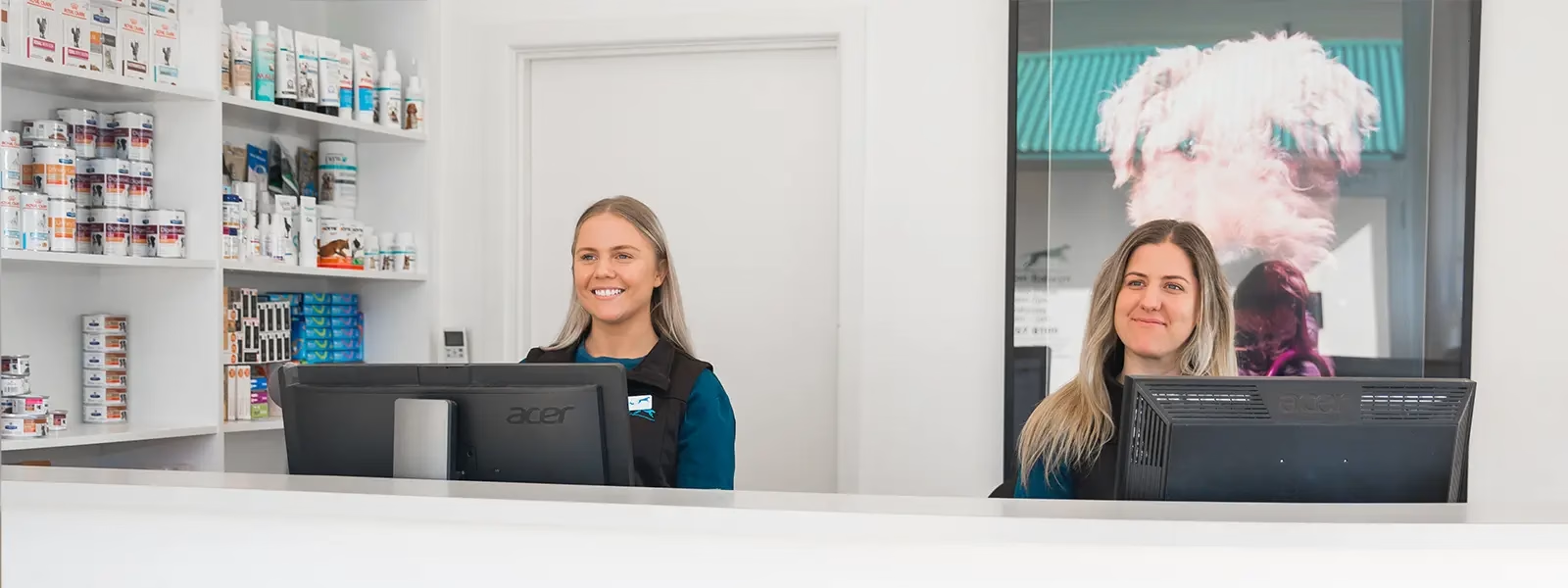
Parasites can cause serious health problems, often without obvious symptoms, and are able to silently spread to the other furry and human members of your household. Vets on Balwyn provides parasite control for local dogs and cats, including flea, tick, worm, and heartworm treatments, to help keep your furry friend comfortable, healthy, and protected year-round.
Parasite Control For Dogs
Parasites aren’t just irritating. They can cause illness or even life-threatening disease. We provide preventative treatment plans based on your dog’s lifestyle, routine, and exposure risks.
Flea and Tick Treatments
Effective dog flea and tick treatment shouldn’t be complicated. We offer multiple options to make protecting your dog easy:
- Bravecto Chews – Covers fleas and ticks for up to 3 months
- Bravecto Chews – Covers fleas and ticks for up to 3 months
- 12-Month Injectable – One yearly vet-administered treatment for adults
We’ll help you select the product that best suits your dog’s needs.
Worming Schedule
Puppies need to be wormed regularly to stay healthy during their development:
- Puppies: Every 4 weeks until 12 weeks old, then monthly until 6 months
- Adult Dogs: Every 3 months or more often if in a high-risk location (or breeding)
Unsure what route to take for your dog? Our team will answer any questions you have!
Heartworm Protection
Heartworm is a parasite transmitted by mosquitoes, and it can be life-threatening if left untreated. This means that any dog that spends time outdoors is at risk.
We recommend one annual heartworm injection as a simple, vet-delivered solution. It’s the most effective heartworm treatment for dogs for year-long peace of mind.
Parasite Control for Cats
Cats, whether indoor or outdoor, are vulnerable to parasitic infections which can cause skin irritation, discomfort, or illness. That’s why we offer preventative treatment options to protect your cat all year long.
Fleas, Ticks, and Worms
We recommend Felpreva, a topical treatment applied every three months that guards against fleas, ticks, and intestinal worms. It works quickly, is easy to use and is long-lasting.
Worming Schedule
Protecting your cat from worms is vital for their wellbeing, especially during their growth stages.
- Kittens: Every 2 weeks until 12 weeks, then monthly until 6 months
- Cats over 6 months old: Every 3 months
Felpreva users won’t require separate worming treatments after 6 months. It’s all-in-one coverage.
Indoor Cats Still Need Defence
Indoor cats have a lower risk of picking up fleas, ticks, or worms, but they’re not fully protected, especially if you have other pets that spend time outdoors.
Parasites can easily be brought inside, so it’s important to have a prevention plan in place. Treatment frequency can differ, and we’ll recommend the best schedule for your cat’s habits and home environment.
Parasite Risks and Protection Explained
The risk of parasites depends on factors like breed, age, living environment, and diet. Our vets will guide you through the products that target specific parasites, the frequency of administration, and what is most effective, ensuring your pet remains protected without unnecessary treatments.
Parasite Control Costs
Most parasite preventatives are affordable. We’ll walk you through all your options during your visit and provide upfront pricing for complete clarity.
Need an appointment?
When your pet’s unwell, or it’s time for a general check-up or vaccination, your furry friend is in good hands. Book online to see our expert Vets on Balwyn!
Contact Details
Opening Hours
Monday – Friday: 8am – 7pm
Saturday: 9am – 2pm
Sunday: Closed
Vets on Balwyn Feedback
EXCELLENTTrustindex verifies that the original source of the review is Google. Vets on Balwyn are easily the best vet we've visited. Dr Kevin Foster was thorough, warm and gentle with my precious Huckleberry. He was generous with his time in conducting the check up and also addressed a problem with an on-the-spot procedure. His knowledge, flexibility as well as his attentiveness to all our concerns was deeply appreciated. The pricing was very fair. It is heartening to know we have found a reliable and trustworthy vet in our community.Posted onTrustindex verifies that the original source of the review is Google. Amazing team at Vets on Balwyn. The care and treatment for our family dog was on point and perfect!! Thank you!!Posted onTrustindex verifies that the original source of the review is Google. I’ve been taking my dog with complex medical needs here for years now and wouldn’t change a thing. I moved away further across the city but I still drive back. Once you find an amazing vet it’s worth the drive and having real confidence in the care they providePosted onTrustindex verifies that the original source of the review is Google. My dog is 14 and anxious but the vet and her team go out of their way to make her comfortable and distract her with treats. This relaxes me so I can make an informed decision about the treatment options presented.The team is highly professional displaying compassion , dedication and skill and I could not recommend them more highly!Posted onTrustindex verifies that the original source of the review is Google. Dr Rassool is a great Vet with an obvious understanding of dogs & behaviour. The staff are all lovely and very helpful.Posted onTrustindex verifies that the original source of the review is Google. Exceptional Care and Expertise I couldn’t be more grateful for the outstanding care my Belgian Malinois, Viper, received at Vets on Balwyn. Dr Michelle Rassool and the entire team were exceptional from start to finish. Their professionalism, calm handling, and genuine compassion made an anxious situation feel completely manageable. Viper’s surgical procedure was carried out with remarkable skill and attention to detail. The team kept me informed at every stage, and their confidence and expertise gave me complete peace of mind. Post‑surgery, Viper was monitored with such care that it was clear he wasn’t just another patient - he was treated like one of their own. Thank you to Dr Rassool and the wonderful staff for going above and beyond. Your dedication, empathy, and clinical excellence made all the difference. I highly recommend Vets on Balwyn to anyone seeking exceptional veterinary care.Posted onTrustindex verifies that the original source of the review is Google. I have been visiting Vets on Balwyn for several years and prior to moving was also a client at Vets on Parker. Dr Kevin and all of his team are truly incredible and I couldn’t recommend them highly enough. Recently my little senior dog crossed the rainbow bridge and during such a difficult time Dr Kevin and his team were incredibly kind and accommodating, thoughtfully supporting some of my final requests. Every staff member I’ve encountered has been lovely and I feel so fortunate to have such a caring and professional veterinary practice so close to home. Thank you Vets on Balwyn for everything you do!Posted onTrustindex verifies that the original source of the review is Google. Our Snoopy met Dr. Kevin Foster. He was very friendly and caring. Also explained everything in detail about the desexing procedure. All staffs are very friendly. I definitely recommend this place for pet dogs.
FAQs
How often should I give my pet deworming tablets?
For most adult pets, worming for intestinal parasites should be done every three months. Puppies and kittens need more frequent treatments depending on their age and level of risk, as even one adult worm can cause serious, potentially life-threatening illness. See above for more information.
How can I protect my pet from fleas?
Consistent use of flea preventatives, whether topical, oral, or injectable, along with keeping their environment clean (regular vacuuming, washing bedding), is essential. Flea eggs can survive inside your home, so year-round protection is important.
What are the common signs of parasites?
- Fleas: Excessive scratching or biting, skin redness, visible flea dirt.
- Ticks: Lethargy, local swelling, fever, sudden collapse.
- Intestinal worms: Weight loss, vomiting, changes in stools, bloating, or severe lethargy in young pets. Adult pets may not always show obvious external signs.
- Heartworm: Coughing, lethargy, reluctance to exercise, and heart issues.
Is heartworm common in Balwyn?
Thanks to diligent owners, heartworm is less common in Melbourne compared to northern parts of Australia, but cases do still occur, especially during the warmer months when mosquitoes are more active. Dogs are more susceptible than cats and should stay on regular prevention.
Which dog and cat breeds are most at risk for heartworm?
All dog breeds can develop heartworm, particularly those that spend a lot of time outdoors, or traveling with owners interstate. Cats in Melbourne do not require heartworm prevention. Pets with pre-existing heart or lung conditions face a higher risk of severe complications if infected.
